Ivan Sutherland

Ivan Sutherland is recognized as the "Pioneer of Computer Graphics" for his groundbreaking work in developing Sketchpad, one of the first computer programs capable of graphical interactions using a light pen. His revolutionary invention at MIT in 1963 laid the foundations for modern computer graphics and graphical user interfaces. Sutherland's innovative spirit and vision greatly influenced the evolution of interactive computing and paved the way for the graphics technologies we use today.
Source 1 Source 2 Source 3Margaret Hamilton
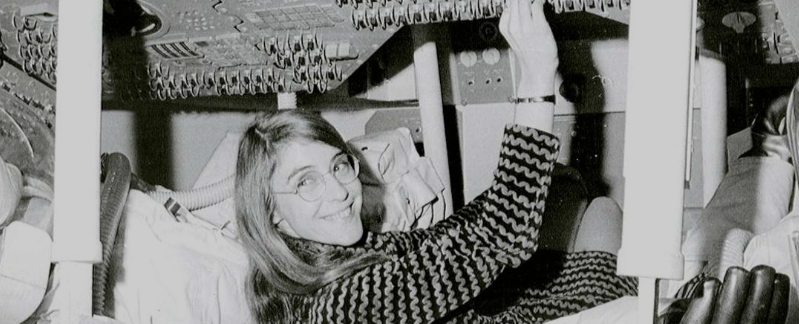
Margaret Hamilton is celebrated as the "First Software Engineer" for her pioneering contributions to computer science, particularly her work on the SAGE (Semi-Automatic Ground Environment) project and as the Director of the MIT Instrumentation Laboratory's Software Engineering Division. Her software engineering inventions, such as priority scheduling, error detection, and recovery procedures, were critical to the success of the Apollo space missions, including the historic Apollo 11 moon landing. Hamilton's exceptional work not only advanced space exploration but also laid the foundation for today's software engineering processes. Her visionary leadership and technical expertise were instrumental in establishing software as a respected field, coining the term "Software Engineer" itself.
Source 1 Source 2 Source 3Timothy Berners-Lee

Timothy Berners-Lee, a British computer scientist, is widely regarded as the inventor of the World Wide Web (WWW). In 1989, he proposed the revolutionary idea of creating a global hypertext document system that would allow researchers to share information, techniques, and results. This information was shared through a decentralized network of linked documents accessible via the internet. Berners-Lee's groundbreaking contribution was vital in the development of the automation that enabled the World Wide Web as we know it today.
Source 1 Source 2 Source 3 Back to Home